

Vincenzo Sansone, the new way to drink coffee in Naples
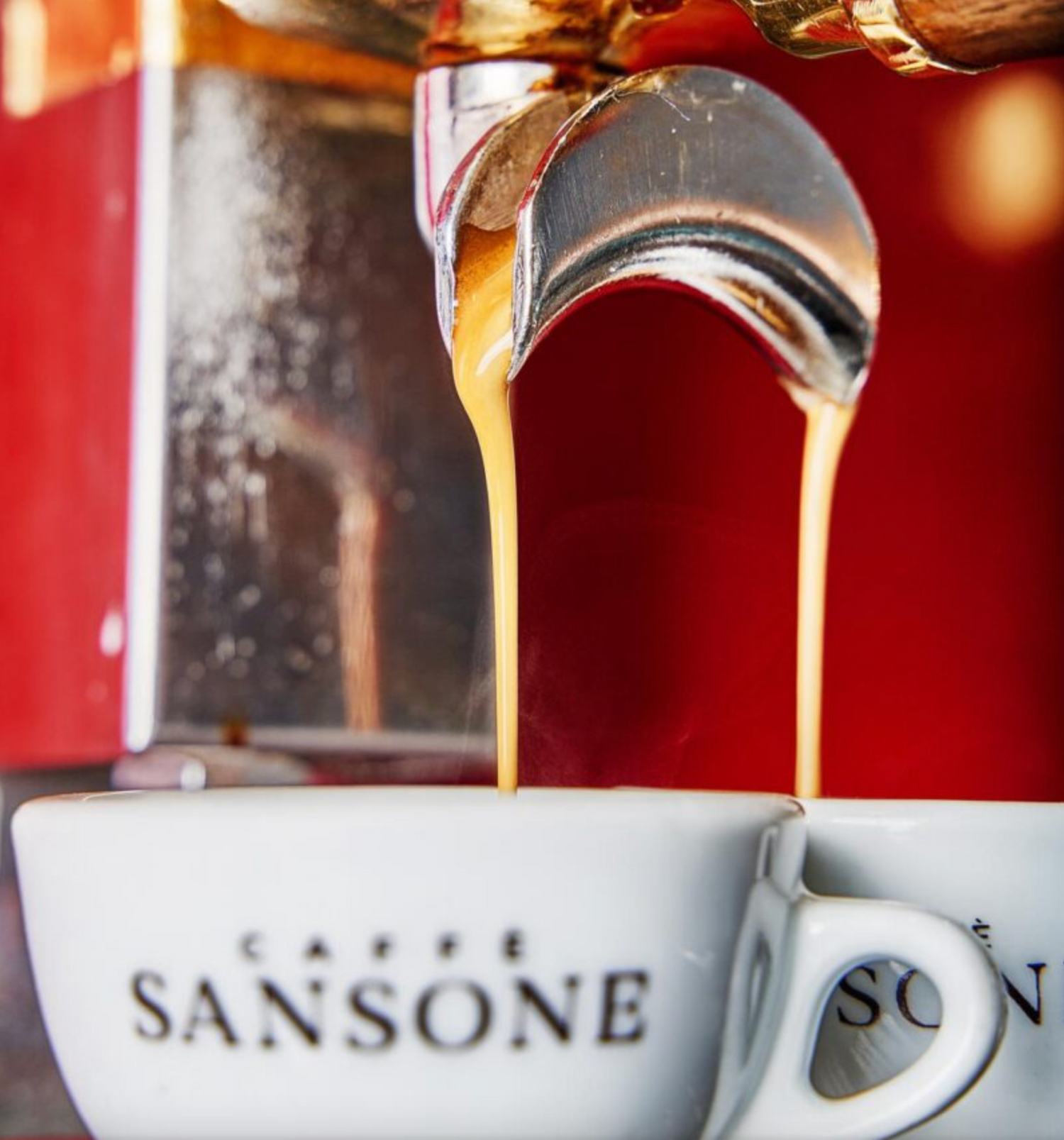
"A cup of coffee," sang Pino Daniele, the happy man named Lazzaro. A sound that inspires joy, a simple phrase in Neapolitan dialect yet understood worldwide. Coffee used to represent a moment of pure peace, but in recent times it has transformed into a diplomatic issue. Which beans are the right ones? What does it taste like? In Naples, as we know, the image of the small cup is almost as iconic as Mount Vesuvius, but is it right to continue poisoning the taste buds of coffee lovers? Why not rely on experts? Just like the knowledge of wine, it is necessary to introduce Italians to a true culture of coffee. Species, altitude, origin, variety, farm, process, producer, profile, aroma. These are the key characteristics that anyone who sips coffee must know, because the dark drink most loved by Neapolitans and Italians alike has soul, body, and spirit. And the profession of barista today requires training.
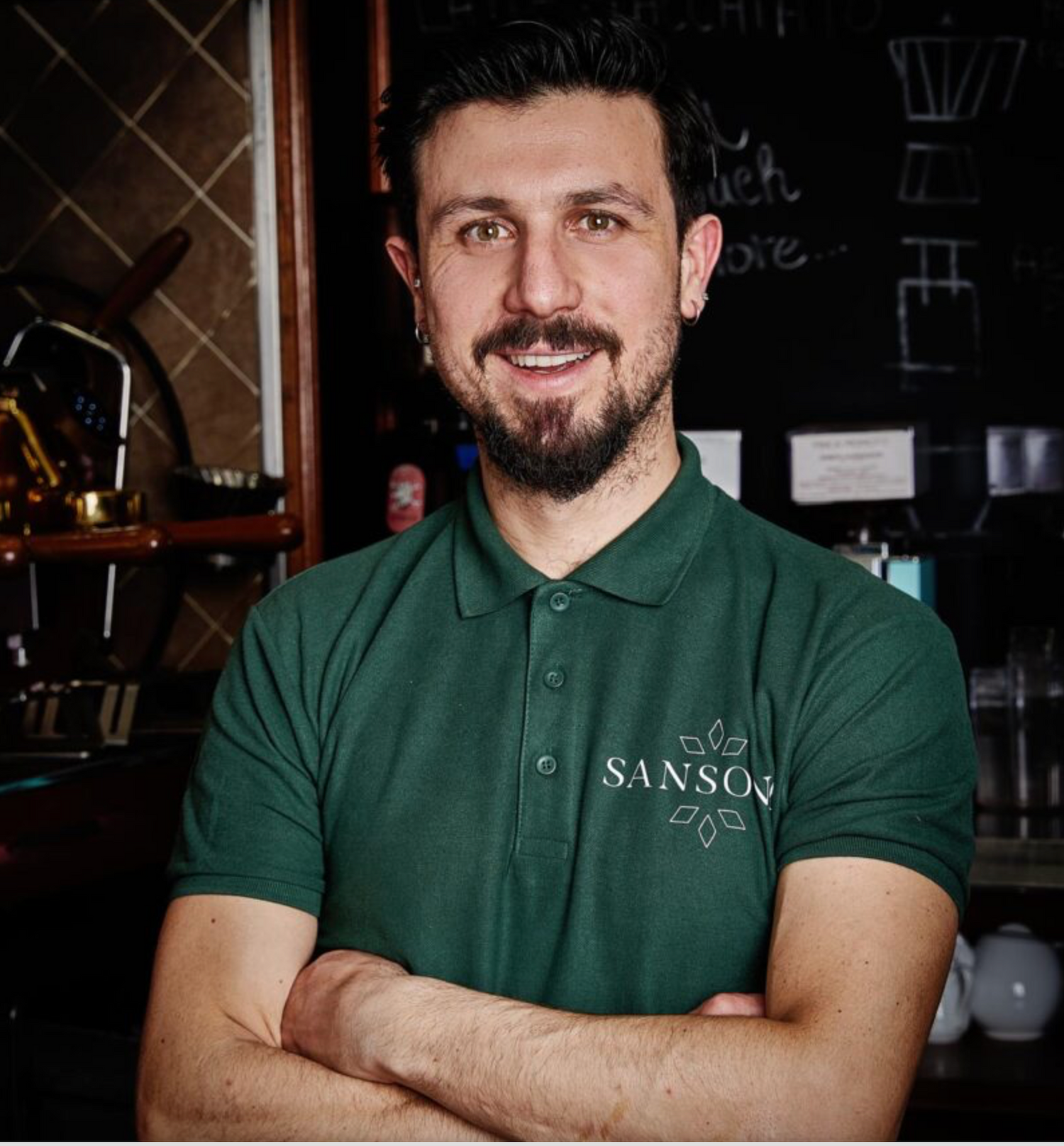
This is the philosophy of Vincenzo Sansone, a young entrepreneur from Naples who, in 2012, opened a café and micro-roastery on Corso Vittorio Emanuele in his hometown, welcoming not only Neapolitans but also tourists from all over the world. At his café, among the small Tiffany-green tables, people speak American, Polish, Japanese, Swedish, French, and Spanish. "It's word of mouth built over the last ten years," Sansone explained. "The social media related to my work aren't empty pages, devoid of content. The messages posted are intended to spread coffee culture." And so, his reel went viral, debunking the myth of the "montagnella" (small mountain) in making coffee with a moka pot at home: it's forbidden. Having started out as a bartender, the entrepreneur decided to launch his own project, but after working with big brands, he realized there's more to it than that small cup for customers: "My curiosity," he said, "pushed me to study that damned coffee bean. I trained and specialized thanks to the courses organized by the SCA (Specialty Coffee Association). From the raw materials, to the roasting, from the machines, to the hospitality. A form of welcome that comes before the drink itself. The customer must feel at ease, pampered.
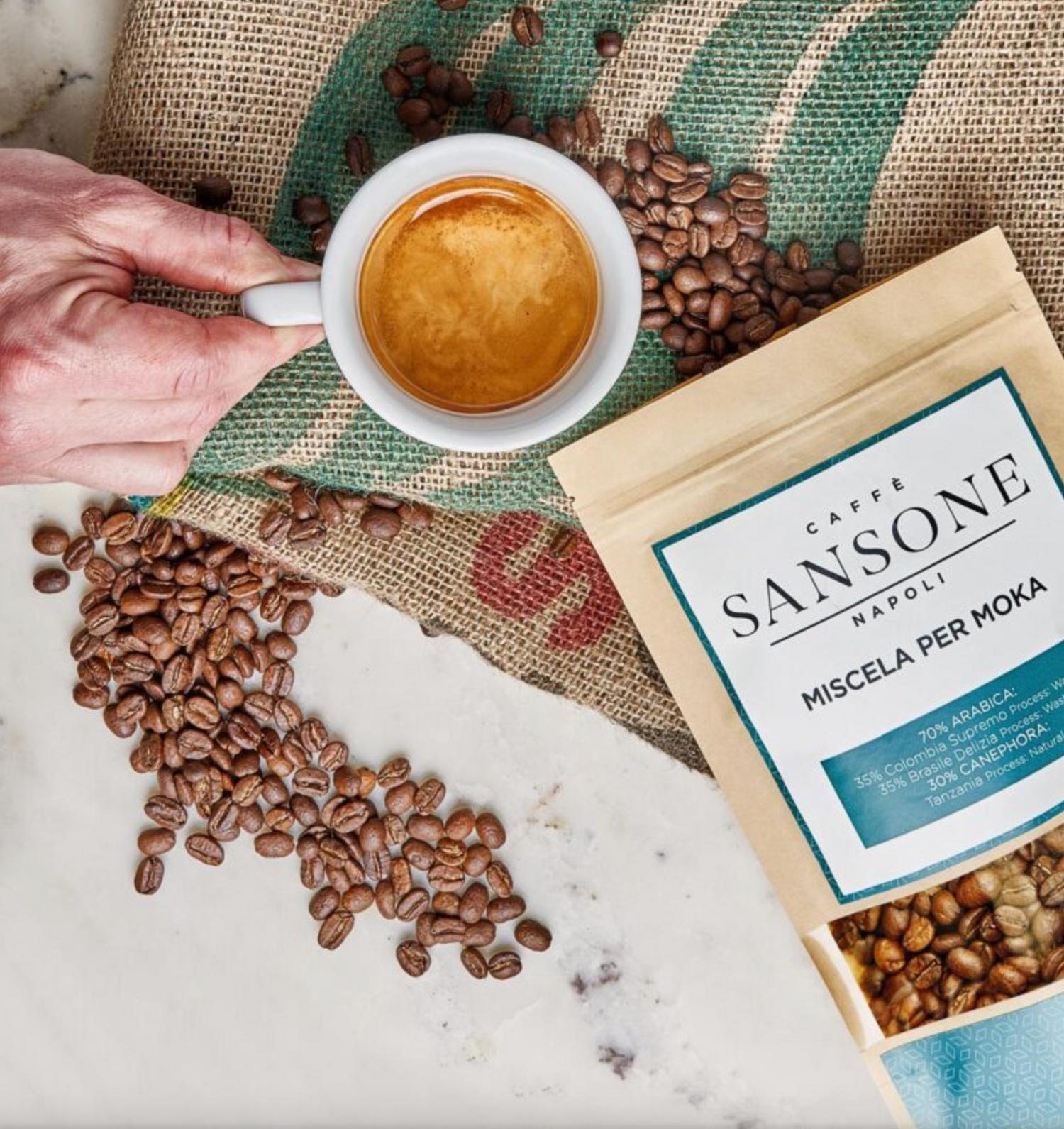
Trained staff is a great asset. In Italy, there's still the idea of a young, unskilled person making coffee, the "bar boy." This concept should be obsolete. Today, a bartender must be aware and knowledgeable about every step and must know how to listen. "After the study, the desire to educate customers and give them hope naturally came about. Many people give up coffee, even though they love it, because they fear it's bad for their health. And we're back to where we started. If you drink a bitter beverage with a strong burnt taste, it means none of the procedures defined by the SCA have been followed, and yes, that's bad for you. The beans have a history, and having control of the entire supply chain—from their origin, to the processing method, from the harvest year, to the altitude, from the grower to the farm, knowing how to roast it, and then how to transform it into a balanced beverage—then no, that's not bad for you." To revolutionize the very concept of coffee, we must break with traditions passed down from grandmother to granddaughter. Starting with the four golden rules for making good coffee at home: "First, avoid the 'montagnella'. Second, choose bottled water with a low fixed residue, because city water isn't always suitable, like the water from Naples, which is full of limescale and chlorine. It's a question of chemistry," Sansone concluded. "Water is a fundamental element, about 90% of the beverage, which is why it must meet a standard established by the SCA. Finally, use a low flame to avoid burning it, and be careful not to leave the lid open during extraction."