

"A coffee that's too dark is like a burnt Fiorentina steak." Vincenzo Sansone from Naples rethinks the cup.
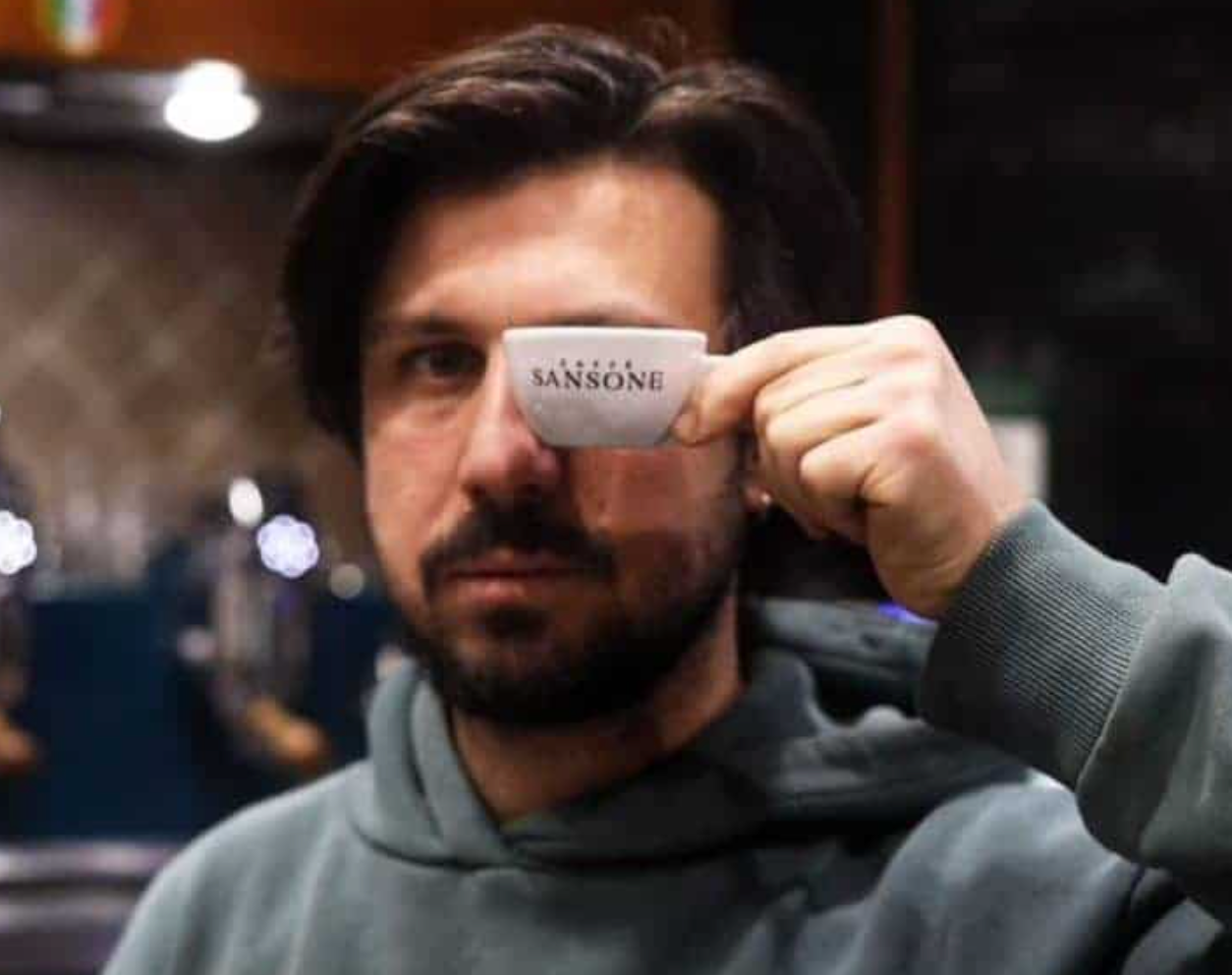
Naples and the evolution of the tazzulella
And while this sense of place has remained unchanged in the city of Naples, the cup of coffee has also evolved over time, adapting to new cultures and flavors. Thus, the simple rhetoric of the city with "the best coffee in the world" is now met by small, new shops like Caffè Sansone at 610 Corso Vittorio Emanuele. Thirty square meters, a few tables inside, a corner selling house-roasted coffee, and the young Vincenzo Sansone at the counter. Or like Blue Turtle ...
Trento . This word is enough to remind him where it all began: " My father worked for cruise ships and when I was eighteen, I moved there from Naples with my mother."
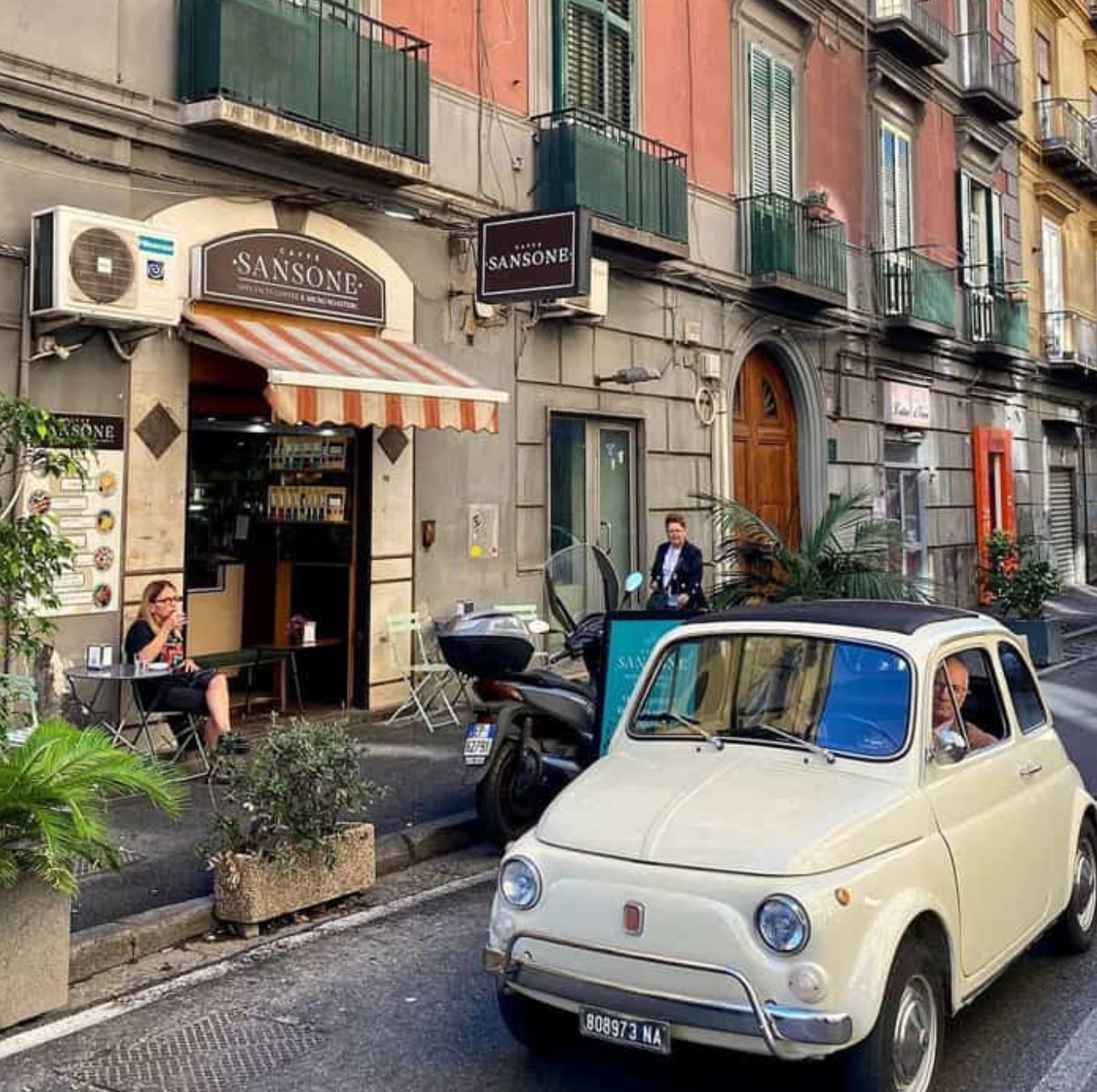
Coffee, the Trento-Trieste-Naples connection
Two seaside cities and a breath of wind that binds them together also in the culture of good wine and coffee which makes Vincenzo grow a thought about catering « but I didn't yet know how to decipher it » which in the meantime he stumbles between events and lessons at the University of Coffee in Trieste .
"I always told myself that if I opened a bar, it would be a mix of what I was experiencing there and what I had experienced in Naples." So, with a large bag of barely smattered notions, the desire to start something new, Vincenzo leaves Triste to find himself back in his city: " In the mornings I worked for free in a bar and every evening I took an international course to become a bartender."
After a few years, the opportunity finally arose to take over a space in 2012, and it would soon become the home of Caffè Sansone.
Samson: Beyond the Classic Bar
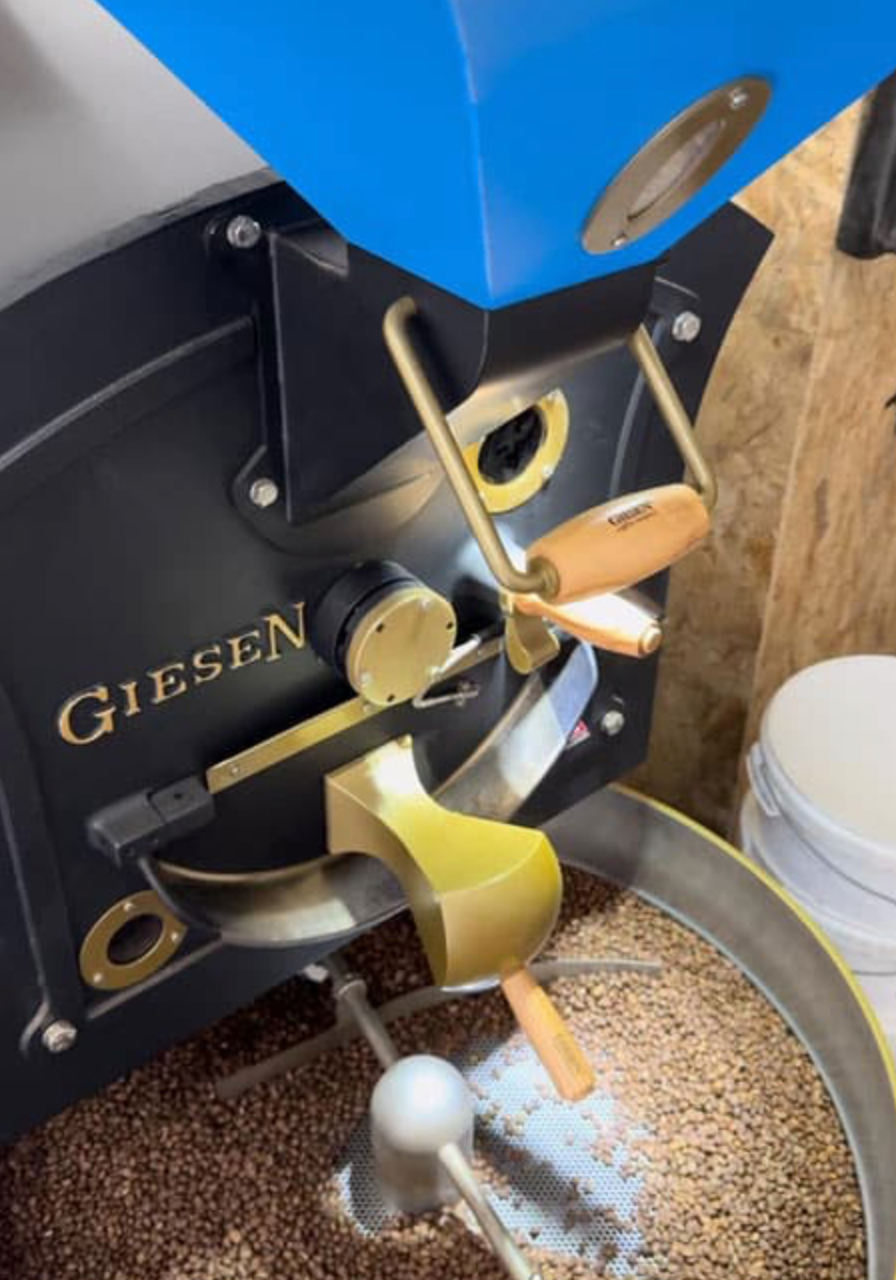
"At first I made coffee like in all the bars in Naples"; in the meantime, however, he bought his first roaster, which is still prominently displayed on the counter today, and began testing it with customers " I offered it to see if they liked it" .
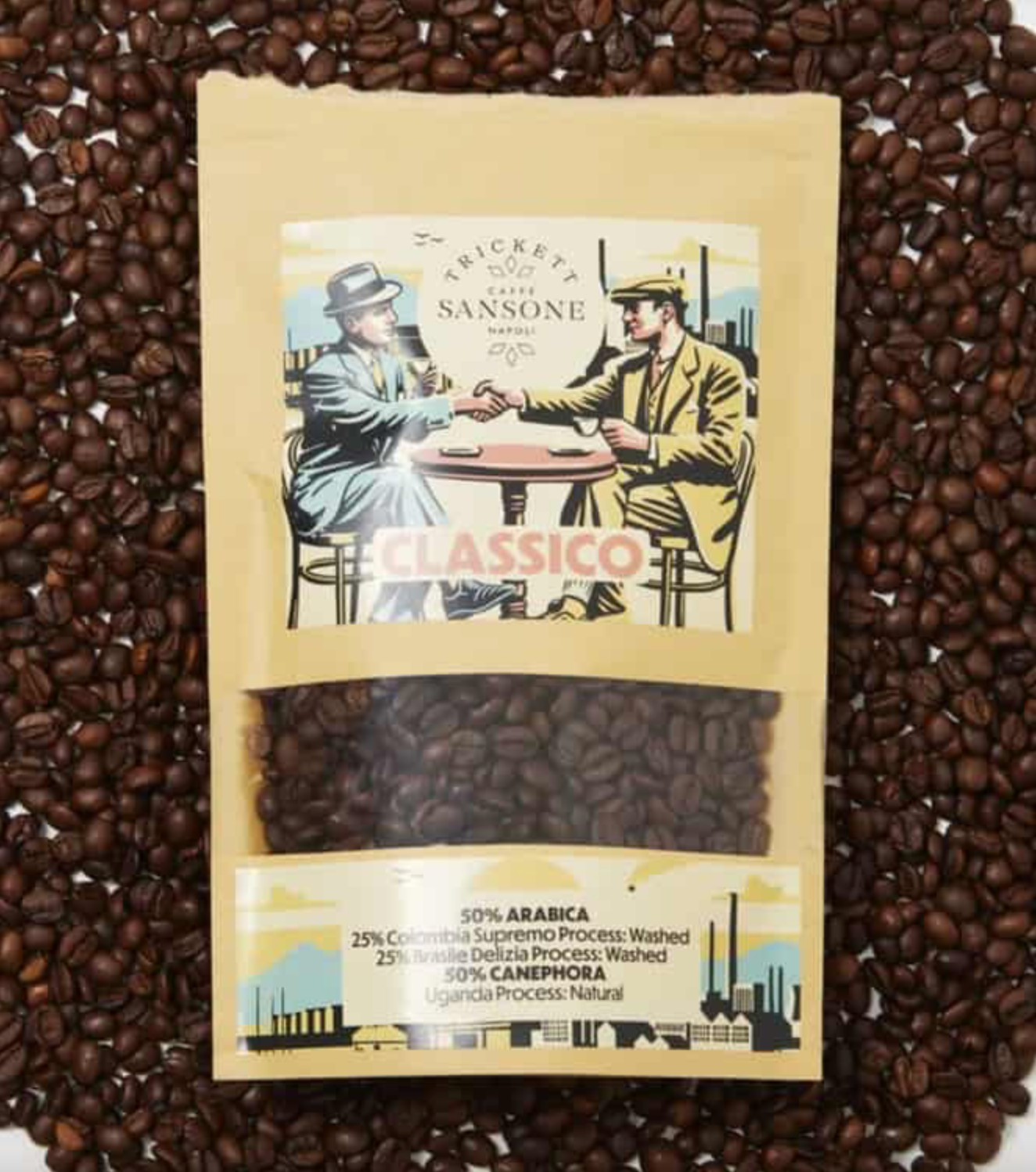
"I followed various SCA (Specialty Coffee Association) training courses, from green coffee to brewing, to seensory, and even roasting," and in the end, through grinding, he managed to find the right compromise between a cup of coffee and his idea of quality: " The House Blend is a blend of 70% Arabica and 30% Robusta. It's not the typical Neapolitan coffee, but we're very close thanks to a balance between sweet and bitter and a not-too-sharp acidity." This is clearly perceived (and appreciated) once the coffee ends up in the cup.
The charm of selecting beans and roasting
But it's also hard to resist single-origin or specialty coffees, which, moreover, change weekly. Such is the case of the Indian Plantation A bean from the Mysoreinas Gerais region, with hints of incense and nutmeg, or the more energetic Ethiopian Sidamo, with fruity notes and an aromatic aftertaste.
«I start from a selection of raw green materials that is always of a high quality, each bean has its own identity and through roasting it is possible to enhance it» .
So behind the counter you can see the extensive equipment that from the roaster to the espresso machine goes through to the on-demand grinders, offering all types of extraction: for single-origin espresso, the Blend House through to filter coffee and that for the moka pot: " the customer chooses the type of coffee they prefer and I grind it instantly in 250 gram bags to take home" .
And it is precisely this view that clearly demonstrates the passion and hard work that goes into achieving an artisanal production that today stands at around thirty thousand kilos annually between local sales, international retailers, and Campanian restaurateurs who rely on Caffè Sansone for their establishments, which has also become a must-see destination for passionate tourists.
Training meetings with restaurateurs and hoteliers
For this reason, the small one-kilo roaster was replaced by a six-kilo one, and the roasting operation was then moved a few meters further from the bar, to a room used only for grinding coffee. This space often also serves as a meeting place for workshops and guided tours led by Vincenzo himself. " We also occasionally organize mini coffee introductory courses, in addition to the meetings I hold with hotel management schools ."
And his is a coffee that is not even a burden on the pocket, with the house espresso at one euro and fifty cents and the single origin specialty in a double cup at four euros.
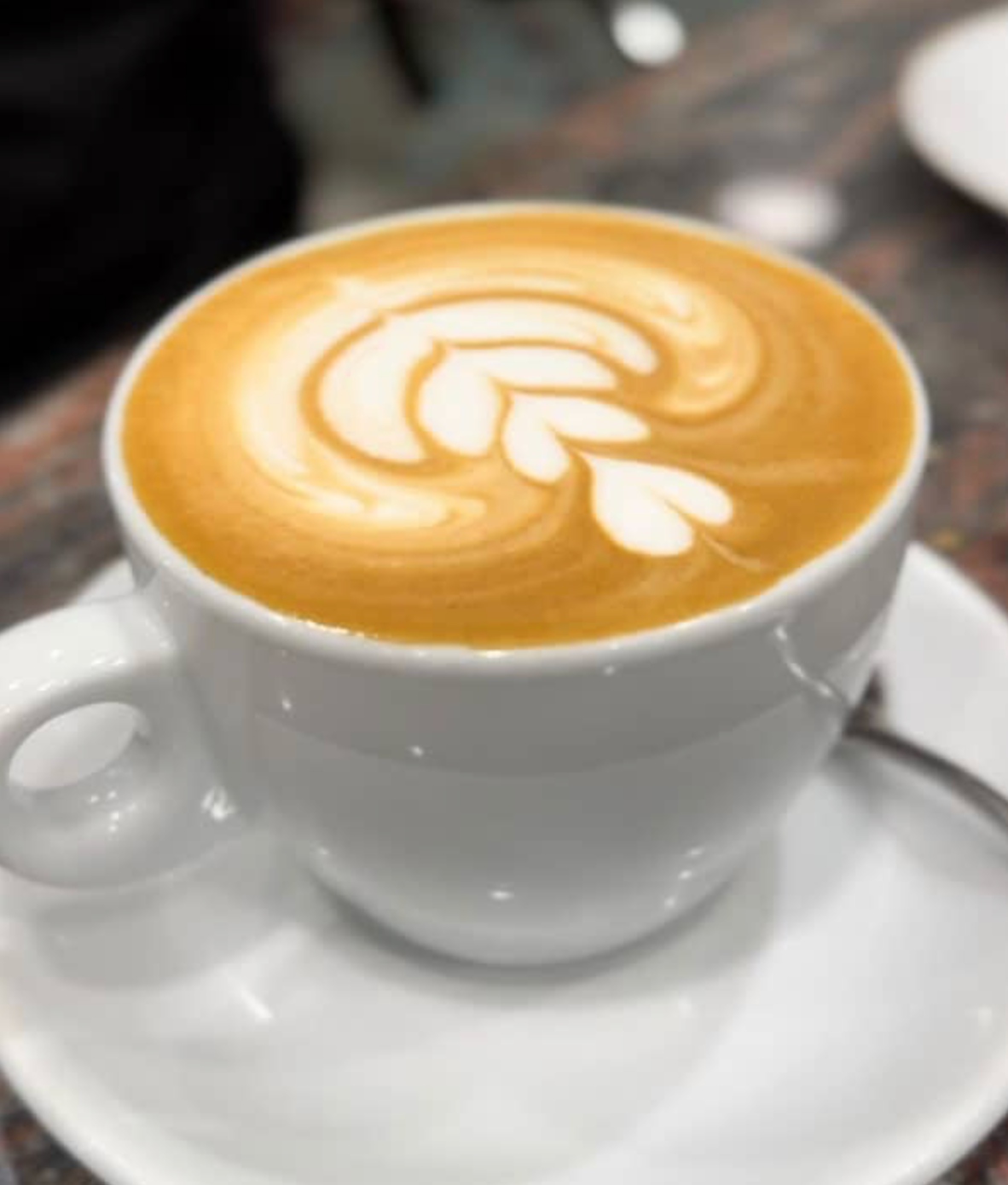
"A coffee that's too dark is like a burnt Florentine steak."
"It certainly wasn't easy. Many customers never returned, while others became loyal. They learned to train their palates," Vincenzo explains , "because a robust roasted coffee is the same as a burnt Florentine steak, which no one would ever want to eat."
Coffee, then, needs to be explained and talked about. " It's a long learning process, and here in Naples it's sometimes even more complicated, as we have to break down our stereotypes." That's why he's there from morning to night, behind the counter, roasting, bagging, and if the cups need washing, he washes them. But he always finds time to talk to his customers, trying to stir up that cup of coffee , between a twist of tradition and a surge of innovation, which at Caffè Sansone seem to run parallel.